Select a site alphabetically from the choices shown in the box below. Alternatively, browse sculptural examples using the Forward/Back buttons.
Chapters for this volume, along with copies of original in-text images, are available here.


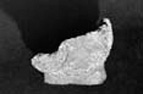
Object type: Baluster
Measurements: H. 33 cm (13 in); Diameter c. 20 cm (8 in)
Stone type: Pale yellow (10YR 8/2), finely granular limestone; Caen stone, Calcaire de Caen Formation, Bathonian, Middle Jurassic; from Caen, Normandy
Plate numbers in printed volume: Ills. 64-67
Corpus volume reference: Vol 4 p. 140
(There may be more views or larger images available for this item. Click on the thumbnail image to view.)
Puckle records the discovery of 'perhaps a score' of baluster fragments deposited in the south-west angle of the tower. This one is not among the three which he illustrates (Puckle 1864, 68–71, figs. facing 70 and 72), nor is it one of the four illustrated by Baldwin Brown (Ills. 71–4). A selection of the balusters (not including the present example) were transferred to Dover Museum at some time, where they were destroyed by bombing during the Second World War (see no. 3).
Much of the surviving fabric of St Mary in Castro is late Anglo-Saxon in date, and it is possible that this and others of the surviving or recorded baluster fragments derive from lost belfry openings to the central tower. Several of the fragments had been reused as early Gothic vault ribs, and it is possible that the belfry stage of the tower was modified when the stone vault was added to the tower and chancel c. 1190 (Newman 1976, 287). Certainly the majority of late Anglo-Saxon balusters which remain in situ are in belfry windows. Scott, however, reconstructed pairs of round-headed openings in each face when he restored the belfry stage of the tower, based upon the evidence then surviving.
